 how-to
Simplifying Guest Onboarding in Luxury Hospitality
A guide for independent luxury properties
Why Guest Onboarding Matters in Luxury Hospitality
The moment a guest arrives at your property, they've already decided whether your team understands them. In luxury hospitality, the first fifteen minutes determine whether their choice feels validated or regrettable.
Guest onboarding is the operational bridge between expectation and reality. The challenge isn't complexity, it's friction. When a guest explains their room temperature preference, dietary restriction, or mobility requirement to staff who should already know, something has gone wrong. In luxury service, noticeably wrong is the difference between a repeat booking and a one-time visit.
Simplifying guest onboarding means removing friction that forces guests to repeat themselves whilst reducing the administrative burden that keeps your front desk team reactive instead of proactive. It means your concierge has context before the phone rings. It means housekeeping knows what matters to this guest before entering the room. When you simplify onboarding effectively, you signal that you've been listening, that you value their preferences, and that you're organised enough to anticipate their needs.
Digitising Guest Arrival and Check-In Workflows
Pre-arrival digital communication
The pre-arrival phase is where many hotels miss their first opportunity. A generic confirmation email followed by silence until arrival day wastes the window when guests are most engaged and most willing to share information.
Begin pre-arrival outreach 7-10 days before arrival. At this point, guests are planning their stay mentally and thinking about what they need. A well-timed message asking about room preferences, dining plans, or special requirements catches them at the right moment.
Offer specific options rather than vague requests. "Would you prefer a higher or lower floor? Do you have a preferred dining time for breakfast?" generates far more response than "Do you have any special requests?" Specificity demonstrates that you're prepared to accommodate.
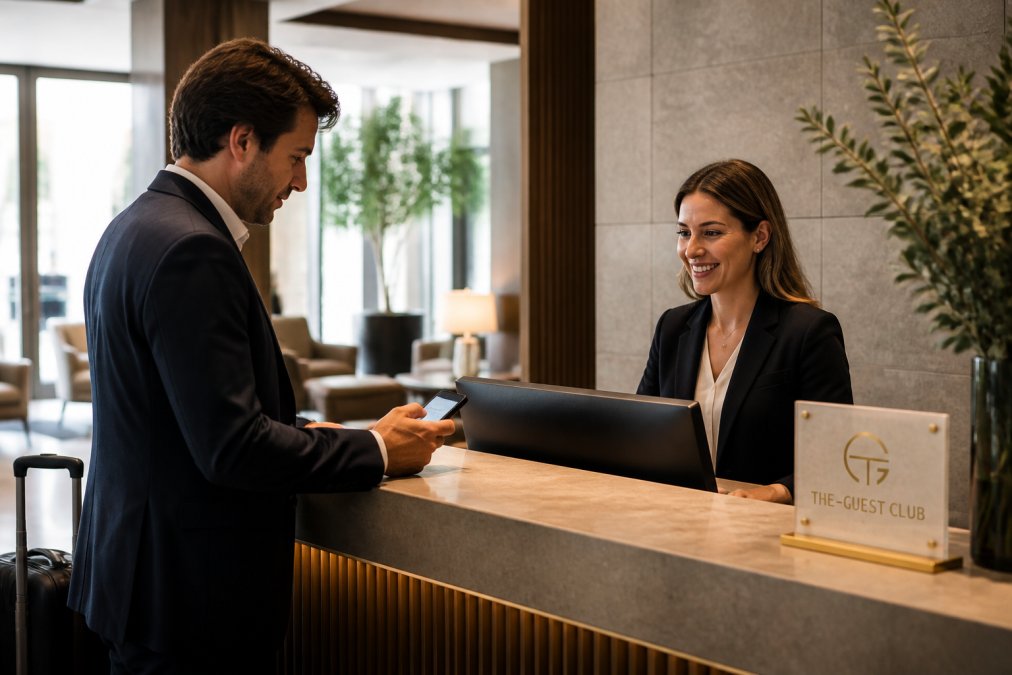
Mobile-first communication is non-negotiable. If your pre-arrival outreach isn't optimised for smartphone viewing, you're asking guests to switch devices or defer their reply. A simple SMS or app notification followed by a link to a mobile-optimised preference form captures responses at the moment guests think about them.
The data you collect pre-arrival should flow directly into your property management system, where it's accessible to every team member who will interact with the guest. If your front desk staff are manually re-entering preferences from email, you've created a bottleneck and a failure point.
Mobile check-in and document completion
Mobile check-in is no longer a luxury, it's an expectation. But implementation matters enormously. Effective mobile check-in allows guests to complete identity verification, sign necessary documents, and set room preferences from their phone days in advance. When they arrive, check-in becomes a greeting, not a transaction.
Digitising documents, registration forms, liability waivers, payment authorisation, removes significant friction. More importantly, it gives your team context about the guest before they step into the lobby.
Room selection is particularly important in luxury properties. Rather than assigning rooms, allow guests to select from available options based on their preferences. Show photographs, floor plans, and amenities. This shift from assignment to selection significantly increases satisfaction because guests feel they've made an active choice.
The technical infrastructure must be seamless. Web-based solutions that work across all devices capture more users than proprietary apps. If the process requires multiple steps, multiple logins, or unclear instructions, guests will abandon it and arrive at the desk anyway.
Offer mobile check-in as an option, not a requirement. Some guests prefer the personal interaction of desk check-in, and that's valid. Your system should accommodate both preferences without making either path feel inferior.
Reducing Front Desk Administrative Burden Through Automation
Your front desk team should be guest-facing, not data-entry focused. Yet in most properties, administrative tasks consume the majority of their shift. Automation means removing repetitive, low-value tasks so staff can focus on interaction and problem-solving.
Start with the most time-consuming workflows. Which tasks do your front desk staff repeat for every guest? Registration data entry, payment processing, room assignment, preference logging, and housekeeping communication typically consume the most time. Each can be partially or fully automated.
Integration between your property management system and other operational tools is critical. When a guest completes mobile check-in, that data should automatically populate the PMS, trigger housekeeping notifications, and alert concierge staff. Every manual data transfer is a failure point.
Service request management is another area where automation reduces burden significantly. Rather than guests calling the desk to request extra towels or room temperature adjustment, a simple in-room or app-based request system allows them to submit requests that automatically route to the appropriate department with context. Housekeeping receives a notification with the room number and specific request.
Document management systems can store guest documentation securely whilst making it instantly accessible to authorised staff. A staff member can pull up a guest's preferences, dietary requirements, or special requests in seconds. This is particularly valuable for concierge and service staff who need context quickly.
The goal is to create a system where information flows automatically from the guest to the people who need it, without human intervention. This reduces errors, speeds up service delivery, and frees your team to focus on welcoming new guests and creating memorable experiences.
Integrating Guest Preferences Across Property Management Systems
Guest preference data is only valuable if it's accessible to the people who need it. Many properties collect preferences but fail to distribute them effectively.
Your property management system is the operational hub. Every guest interaction, preference, and request should flow through or be accessible from your PMS. If preferences live in separate systems, they become siloed and ineffective.
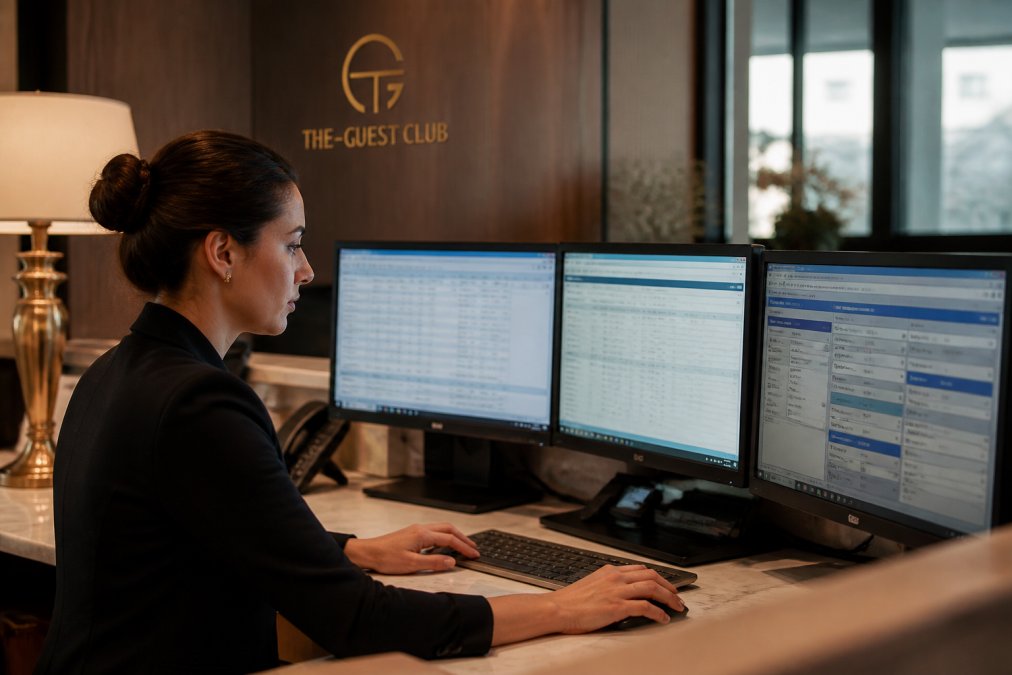
Integration typically happens through APIs (application programming interfaces) that allow different systems to communicate and share data. Your PMS should pull preference data from your pre-arrival system, your loyalty platform, and any guest intelligence tools you use. When a guest arrives, their preferences should be immediately visible to every relevant team member.
Your systems need to use consistent data formats and identifiers. A guest's name, email, and booking reference should be identical across all systems so the data can be matched correctly. Mismatches prevent proper integration.
Real-time updates are essential. If a guest updates their preference through a mobile app, that change needs to be visible to front desk staff immediately. Delayed or batch updates create gaps where staff work with outdated information.
Become a The-Guest Club Member →
The-Guest Club takes a simpler approach than deep system integration. Rather than storing preferences within your property's systems, guests create a portable profile that they own and control, then choose which hospitality providers can see it. Your property has its own profile on the platform, where authorised staff log in directly to view the preferences a guest has shared with you. It operates alongside your property management system today, not inside it, giving your team an additional, guest-controlled source of insight without requiring any technical integration on your end.
The practical benefit is significant: when a guest who has used The-Guest Club at another luxury property arrives at yours, your team can view their preferences on the platform before that guest ever checks in. You're not asking guests to repeat information they've already provided elsewhere, and you don't need to wait on a system integration to benefit from it. You're respecting their time and demonstrating operational sophistication.
Evaluating Guest Profile Integration Systems
Integrating guest preference systems into your operational workflows requires planning, but it doesn't require a complete technology overhaul. Many properties can implement meaningful improvements using their existing systems with better configuration and integration.
Begin by auditing your current situation. What preference data are you already collecting? Where does it live? Who has access to it? How quickly can staff retrieve it when they need it? This audit often reveals that you're already collecting more data than you're actually using operationally.
Next, identify the highest-impact improvements. Which guest interactions would benefit most from having preference data available? For most properties, this includes room assignment, dining reservations, housekeeping service, and concierge requests. Focus your integration efforts on these areas first.
Many properties benefit from evaluating whether a guest intelligence platform might fit into their existing infrastructure. This isn't about adopting new systems for novelty; it's about identifying whether a tool like The-Guest Club would reduce friction in your guest onboarding process. A proper evaluation considers your current technology stack, your guest demographics, and your operational priorities.
Measuring Onboarding Success and Guest Impact
Simplifying your guest onboarding process should produce measurable results. Without measurement, you won't know whether your improvements are working or where further optimisation is needed.
Start with operational metrics. How long does check-in take on average? How many guests use mobile check-in versus desk check-in? How many service requests are submitted through digital channels versus phone calls? How much time does your front desk team spend on administrative tasks versus guest interaction? These metrics establish a baseline and reveal where your process is creating friction.
Guest satisfaction metrics are equally important. Include specific questions in post-stay surveys about the check-in experience. Was it smooth? Did staff seem to know your preferences? Did you feel your preferences were respected during your stay? These questions directly measure whether your onboarding improvements are creating the guest experience benefit you intended.
Staff satisfaction and efficiency metrics matter operationally. Are your front desk team reporting that they have more time for guest interaction? Are service errors decreasing? Onboarding improvements that reduce administrative burden should free staff capacity for higher-value guest interaction, and this should be measurable.
Repeat booking rates and guest lifetime value are the ultimate measures of onboarding success. If your improvements are working, guests should feel more satisfied, more understood, and more likely to return.
Conclusion
Simplifying hotel guest onboarding is fundamentally about respecting your guests' time and demonstrating that your property is organised enough to anticipate their needs. The technology matters less than the thinking behind it. Whether you're improving integration of existing systems, implementing mobile check-in, or adopting a guest intelligence platform, the goal is the same: remove friction, distribute information effectively, and help your team deliver personalised service.
The properties that will compete most effectively in luxury hospitality over the next five years are those that can deliver genuinely personalised experiences at scale. This requires systems that work seamlessly, staff that have the information they need, and guests who feel understood from the moment they arrive.
What would change about your guest experience if your team knew every guest's preferences before they checked in, and could act on that knowledge without any manual data gathering?
Frequently Asked Questions
What are the key stages of an effective hotel guest onboarding process?
Effective guest onboarding typically spans five stages: pre-arrival communication (confirmation and preference collection), arrival and check-in (verification and room assignment), orientation (property familiarisation and service introduction), integration (connecting guests to amenities and staff), and post-arrival support (addressing requests and gathering feedback). Each stage builds on the previous one to create a cohesive experience. Digital tools that automate administrative tasks allow staff to focus on personalised interaction rather than paperwork, which is especially important in luxury hospitality where service consistency and attention to detail define the guest experience.
How does guest intelligence improve the onboarding experience?
Guest intelligence—structured data about preferences, past stays, dietary requirements, accessibility needs, and communication preferences—enables staff to deliver personalised service before a guest arrives. When this information is accessible to your team during onboarding, front desk and concierge staff can greet guests with relevant knowledge, anticipate needs, and reduce the need for repetitive questions. This accelerates the check-in process, reduces friction, and signals to guests that their previous interactions have been remembered. The result is faster time-to-productivity for your team and a more seamless arrival experience for your guests.
How long does it take to implement a streamlined guest onboarding system?
Implementation timelines vary depending on your property's current systems and complexity. A phased approach—starting with mobile check-in and document digitisation, then expanding to preference integration—typically takes 3-6 months from planning to full deployment. The critical success factors are staff training (ensuring your team understands the new workflows), integration testing (confirming your property management system and new tools communicate correctly), and guest communication (explaining the benefits to your audience). Starting with a pilot group of staff or a limited number of guests allows you to identify issues before full rollout, reducing disruption and increasing adoption rates.